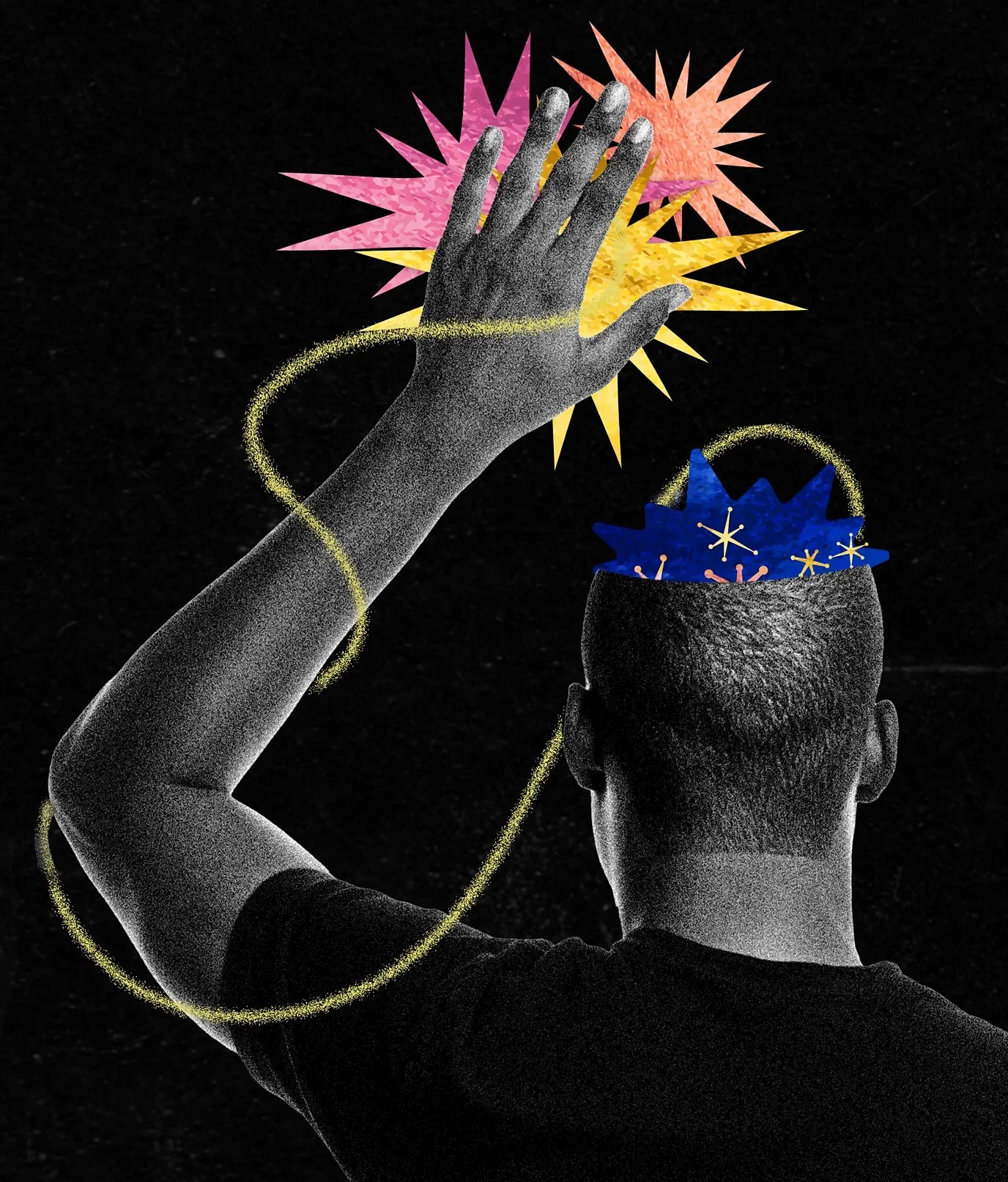
BBC Future · January 18, 2026
What we get wrong about dopamine
Excerpt from "One Hand Clapping: Unraveling the Mystery of the Human Mind" (2025)
Sometimes dubbed the 'pleasure chemical', dopamine is often wildly misunderstood. Nikolay Kukushkin delves into what the much-discussed neurotransmitter really does to our brains.
"The temptation is to assume that our lives as modern humans are unnatural, preventing us from realising some primeval happiness that our ancestors presumably all shared. The cavemen had no French fries, so they didn't have to worry about obesity or force themselves to go to the gym. They spent their days blissfully walking in the woods gathering nuts and berries with plenty of fibre. They had no money or jobs or marriage or religion or drugs, so there was no inequality or violence or jealousy or hierarchy or addiction. It is only when we abandoned this hunter-gatherer paradise for the temptations of agriculture and civilisation that our lives became so discordant with our biological needs.
Of course, this vision of a carefree past is not actually true. We don't know much about the psychology of our hunter-gatherer forebears, but there's one thing we can be sure about: they were just as grumpy and restless as we are. Our frustration with life is nothing new. In fact, it is there by design – a design that runs much deeper than civilisation, deeper even than the human species.
It is this design that keeps us perpetually aggravated, teasing us, prodding us, like a voice from an ancient, animalistic past that whispers into our ear: there's more to life than what you have.
We are not meant to feel satisfied by what we have. We are meant to look for more."
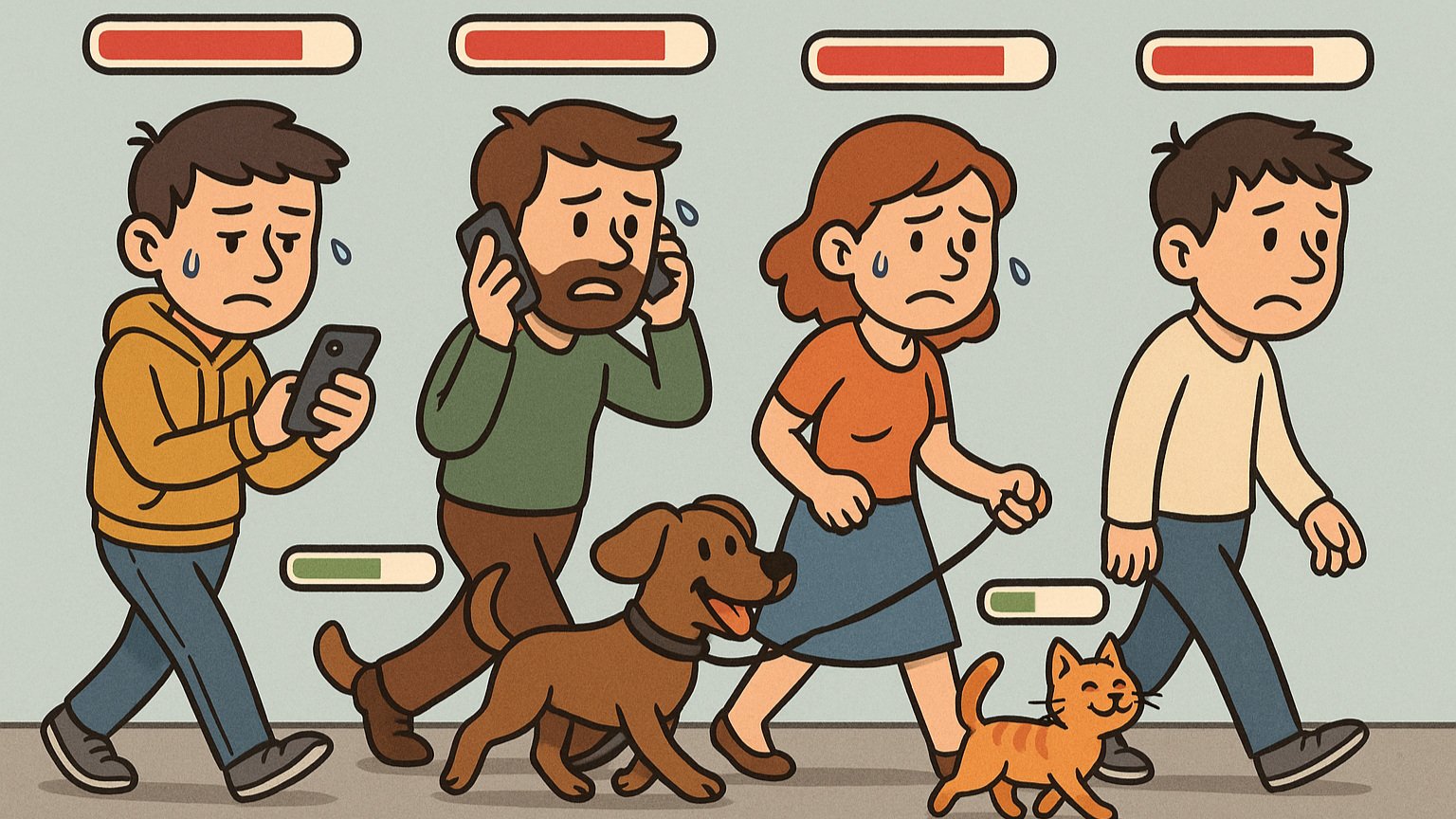
Are Humans Running out of Memory?
Human memory is limited, and we may be running out of space.
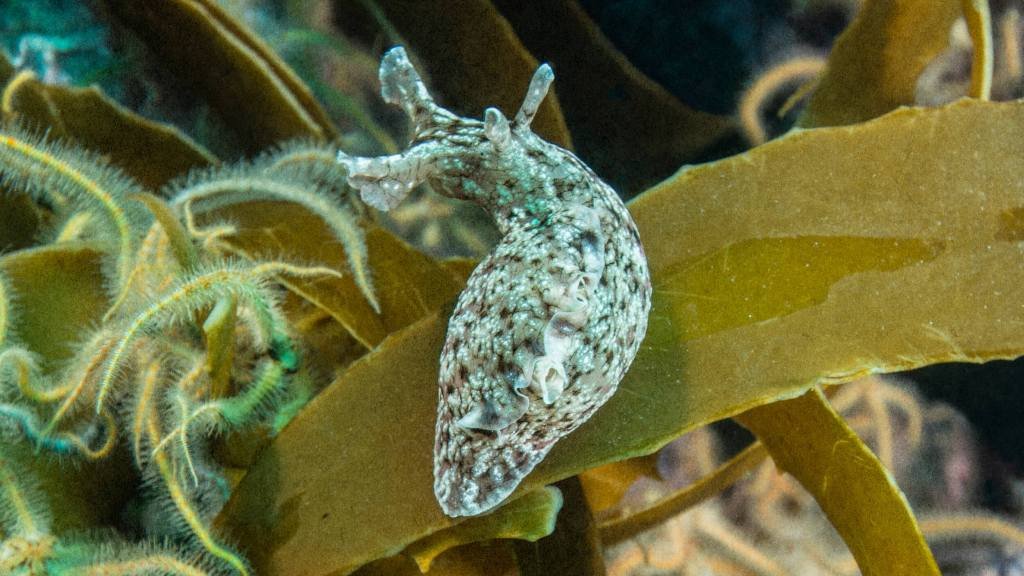
What food comas in sea slugs teach us about memory
Memory takes effort, and our brains know it.


Why Cramming Doesn't Work
We remember better when learning is spaced in time.
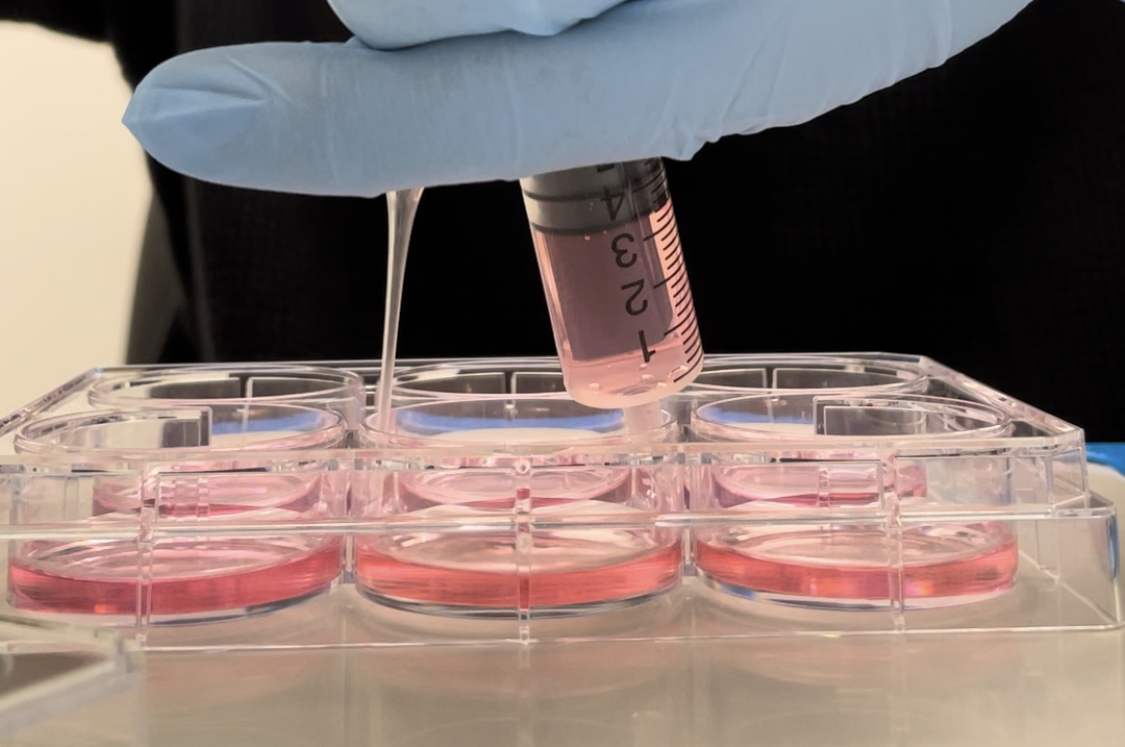
Humans, sea slugs, kidney cells: we all learn the same way
Non-neural cells can count, tell time, and store complex information.
What's Going On in the Minds of Babies?
Infants understand abstract ideas before learning words. Can AI do the same?