Nikolay Kukushkin serves as a clinical associate professor at NYU's Liberal Studies and senior scientist at Thomas Carew's laboratory at the Center for Neural Science. His work investigates the molecular and cellular mechanisms of memory formation. His research demonstrates that memory is not confined to neuronal circuits, but rather exists in all types of cells in humans and other organisms, relying on a conserved set of molecular tools.
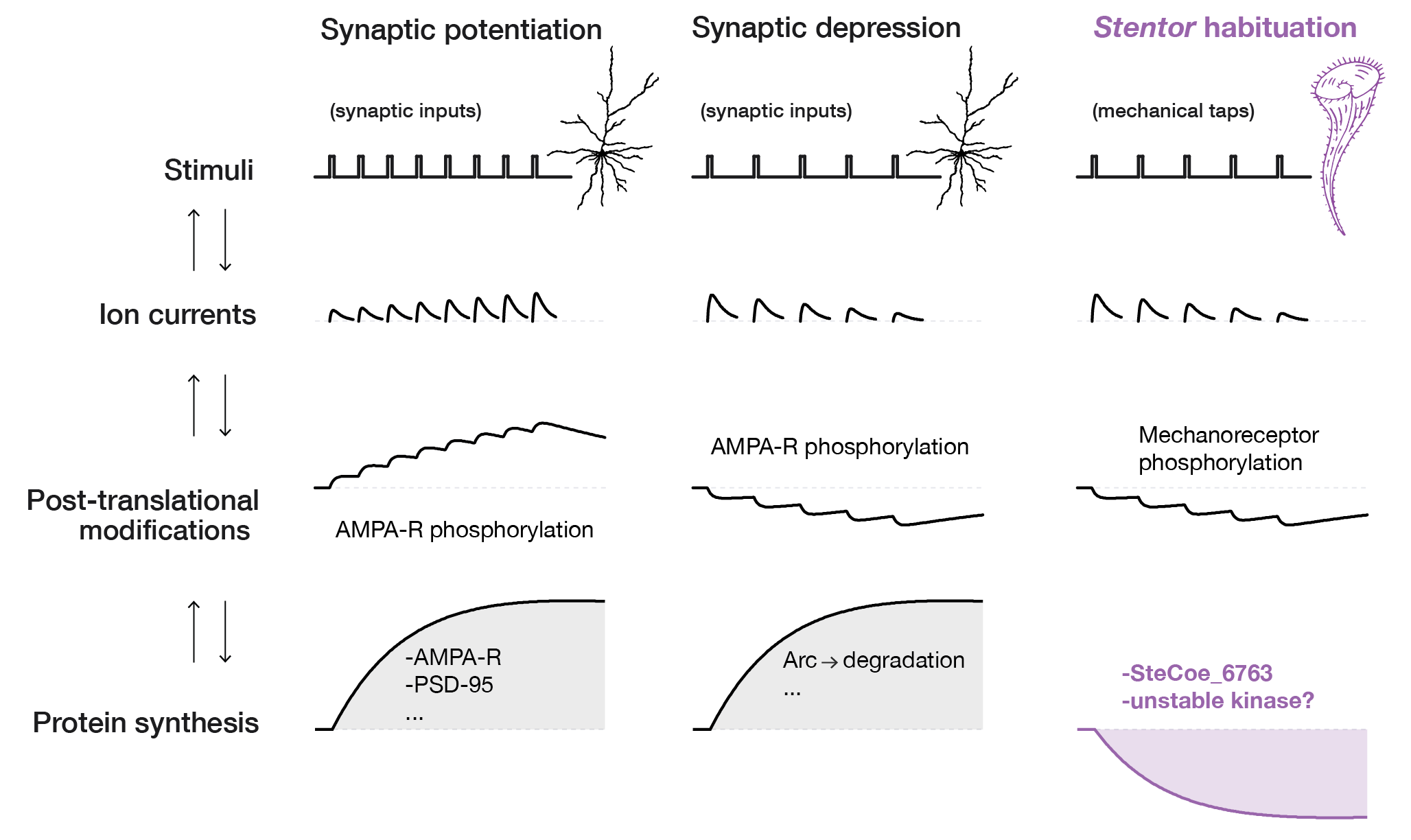
Cellular learning: The cost of staying ready
N. V. Kukushkin · Current Biology, 2026
In a single cell, vigilance is the expensive state — habituation is a partial collapse from it, inverting the textbook role of protein synthesis in memory.
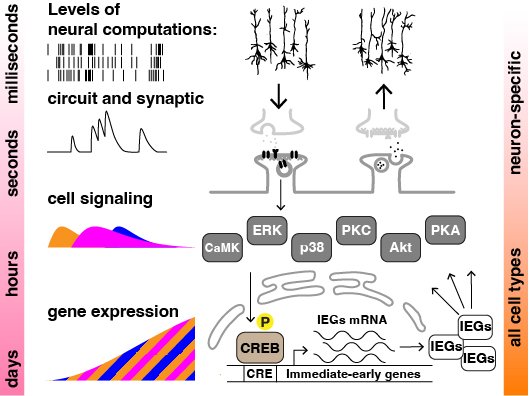
The massed-spaced learning effect in non-neural human cells
N. V. Kukushkin, R. E. Carney, T. Tabassum, T. J. Carew · Nature Communications, 2024
Non-neural cells, including kidney cells, can learn and form memories in ways similar to neurons.
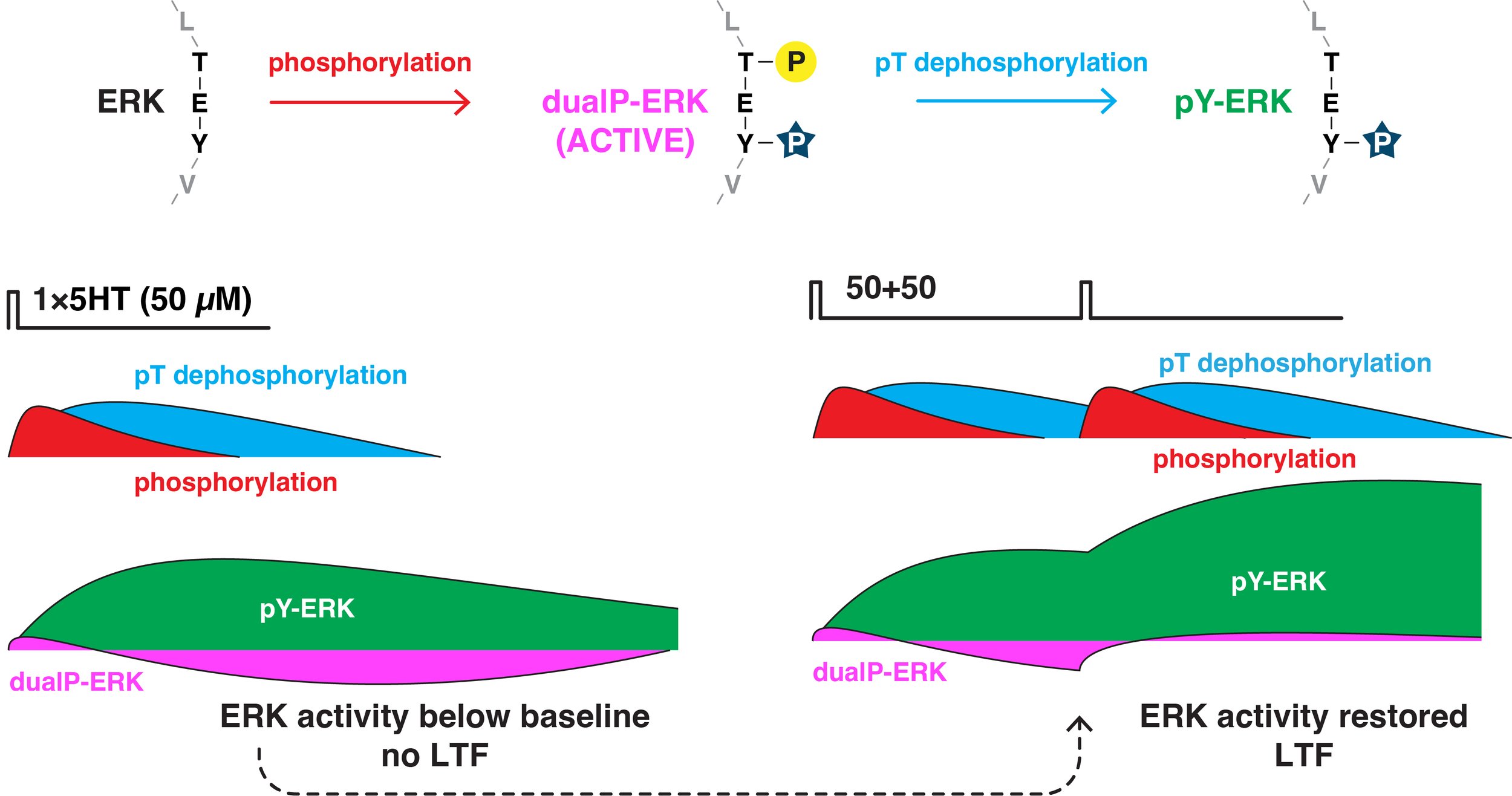
Precise timing of ERK phosphorylation/dephosphorylation determines the outcome of trial repetition during long-term memory formation
N. V. Kukushkin, T. Tabassum, T. J. Carew · PNAS, 2022
A "tug of war" between two opposing molecules determines whether neurons form a memory.
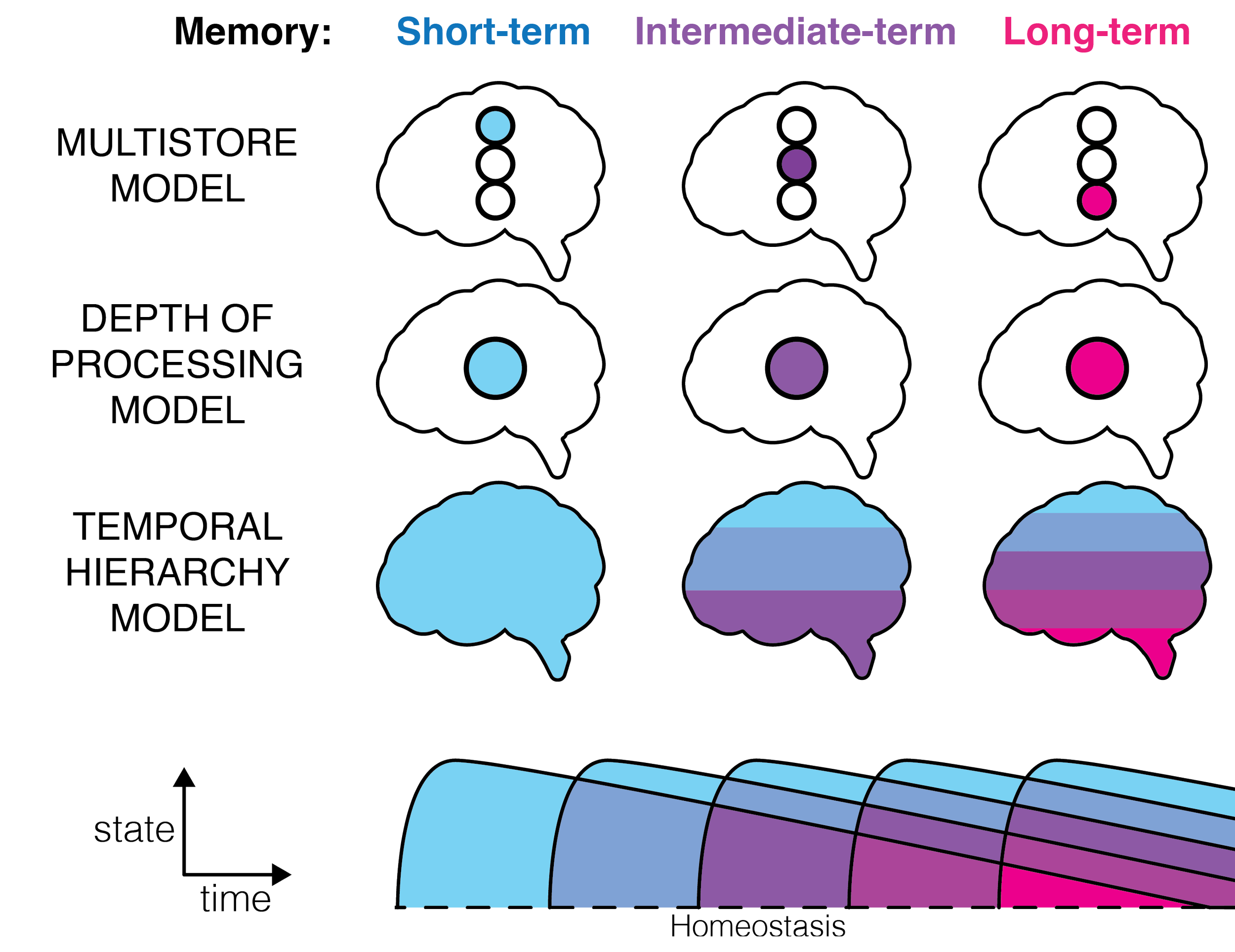
Memory Takes Time
N. V. Kukushkin, T. J. Carew · Neuron, 2017
Memory is not confined to a particular location or locations in the brain. Instead, it exists in time: a "Fourier transform of experience."
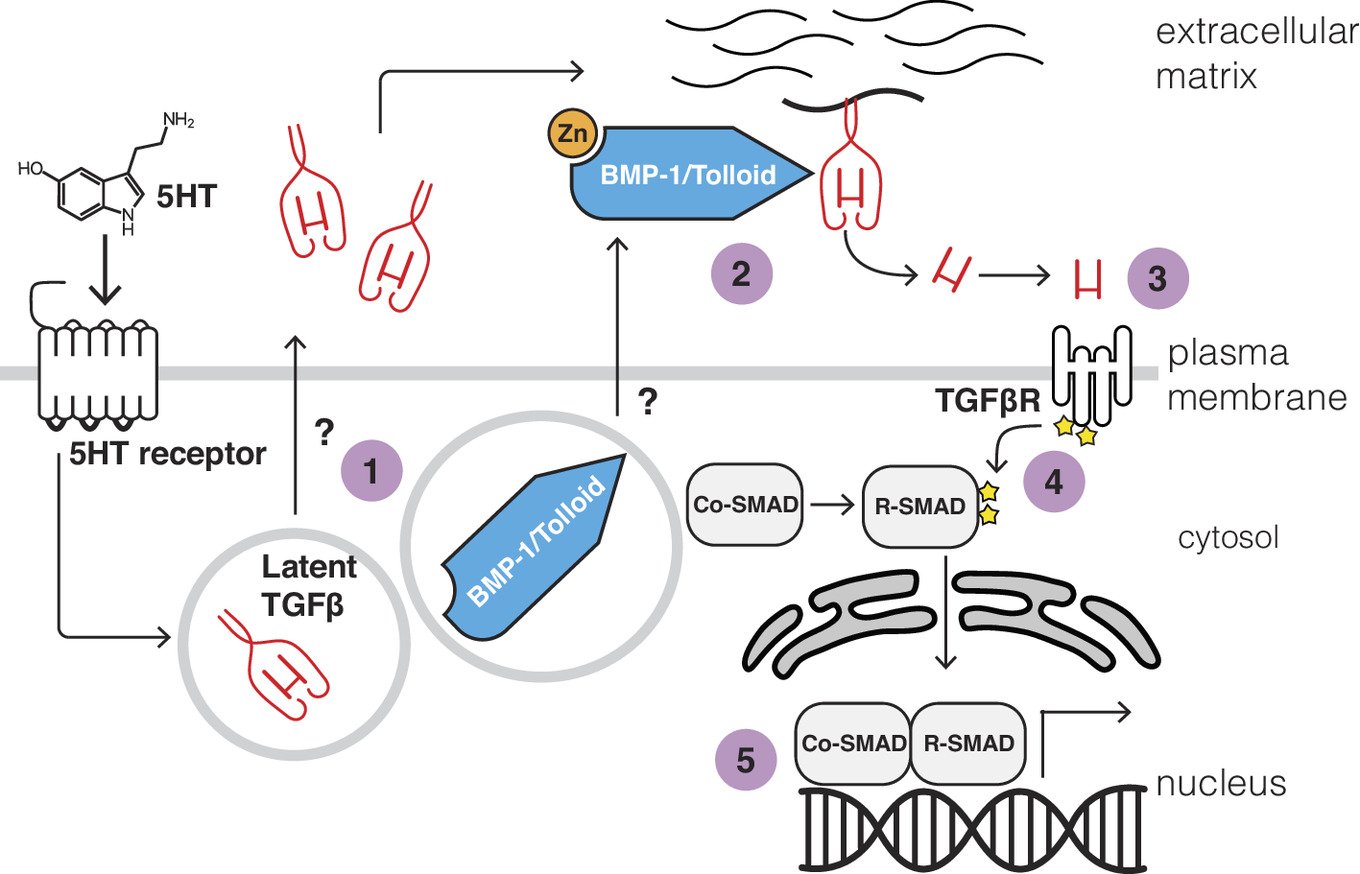
Pattern detection in the TGFβ cascade controls the induction of long-term synaptic plasticity
P. Miranda, A. A. Mirisis, N. V. Kukushkin, T. J. Carew · PNAS, 2023
A common cell signaling cascade acts as a pattern detector.
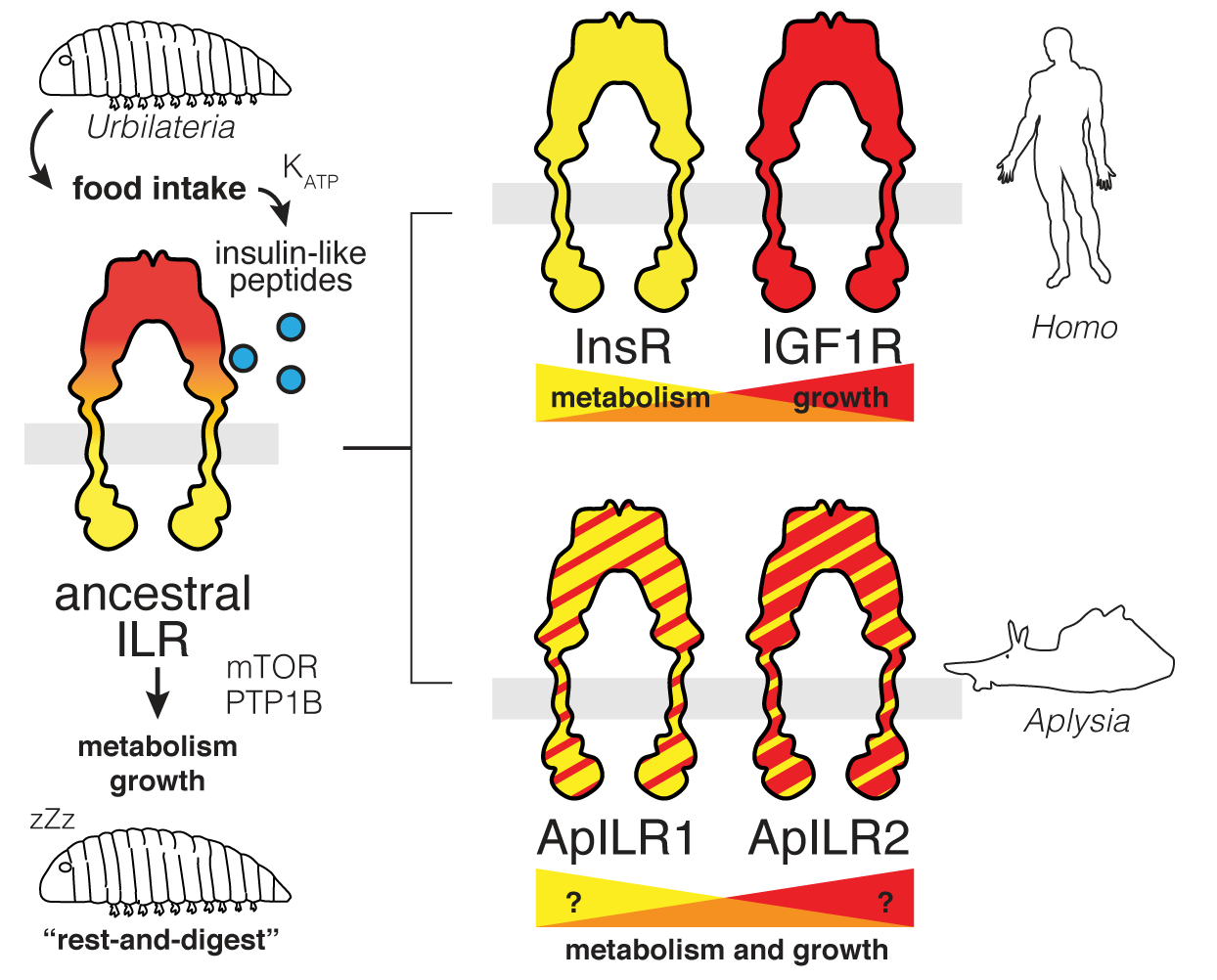
Neurotropic and modulatory effects of insulin-like growth factor II in Aplysia
N. V. Kukushkin, R. E. Carney, T. Tabassum, T. J. Carew · Scientific Reports, 2019
Insulin-like peptides strengthen memory but induce a "food coma" in Aplysia, suggesting common evolutionary origins for the two effects.
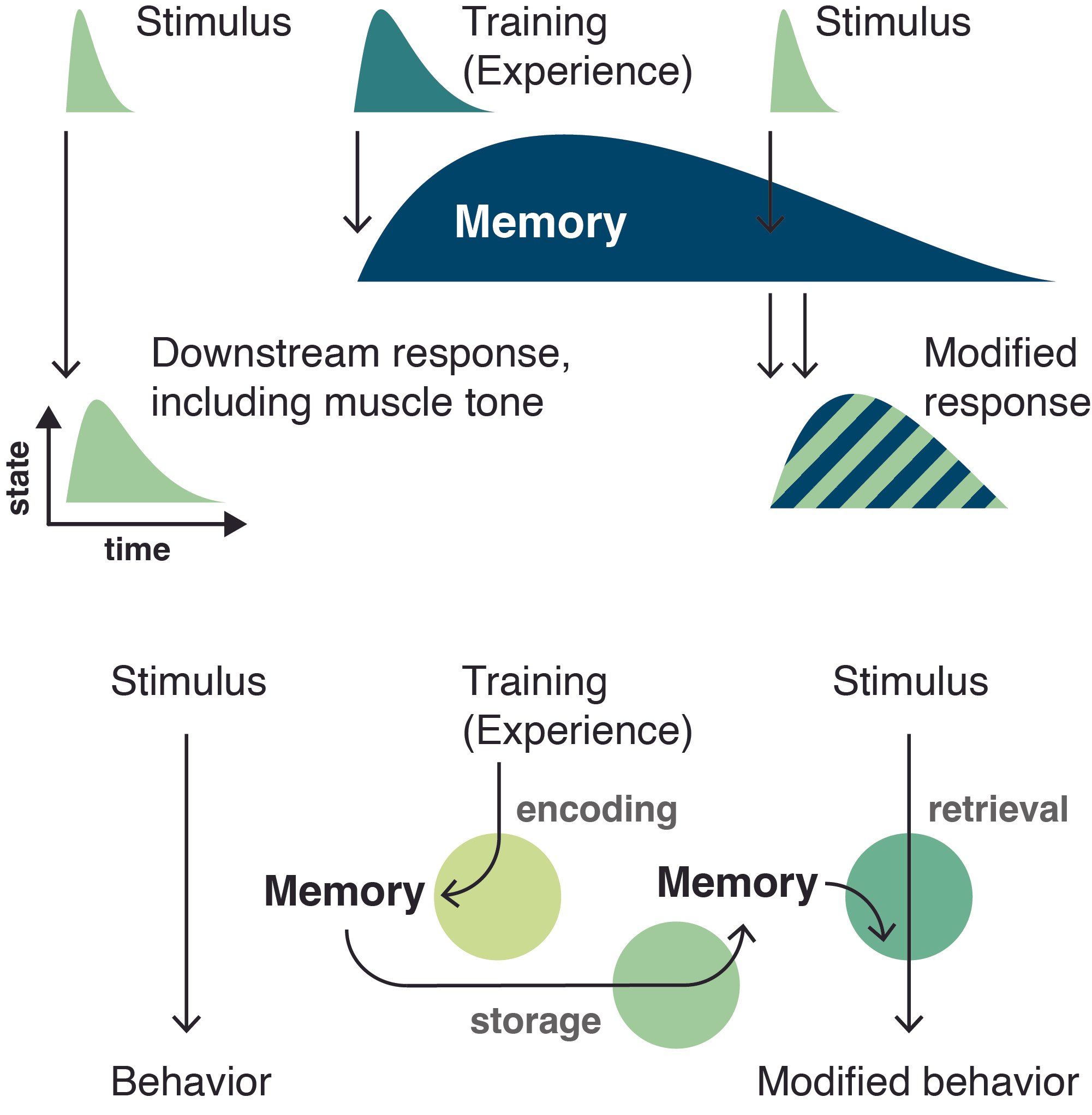
Taking memory beyond the brain: Does tobacco dream of the mosaic virus?
N. V. Kukushkin · Neurobiology of Learning and Memory, 2018
An expanded definition of memory must include plants, signaling cascades, and non-neural cells.